Your liver is one of the hardest-working organs in your body. It detoxifies toxins, digests fats, aids digestion, and regulates your metabolism. But with city lives—processed meals, booze, pollution, and tension—your liver can soon get overwhelmed. The pleasant thing? You can make your liver more efficient just by adding the appropriate vegetables to your diet. and fresh vegetables, Good Health for Liver
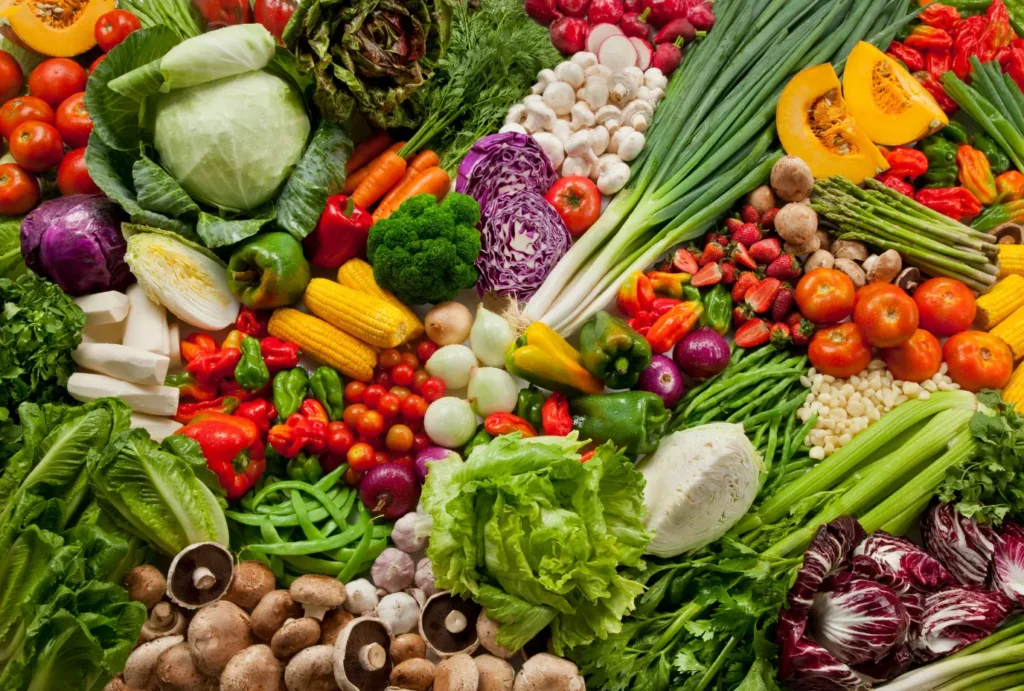
The following are fresh vegetables that naturally and efficiently promote liver health.
1. Spinach
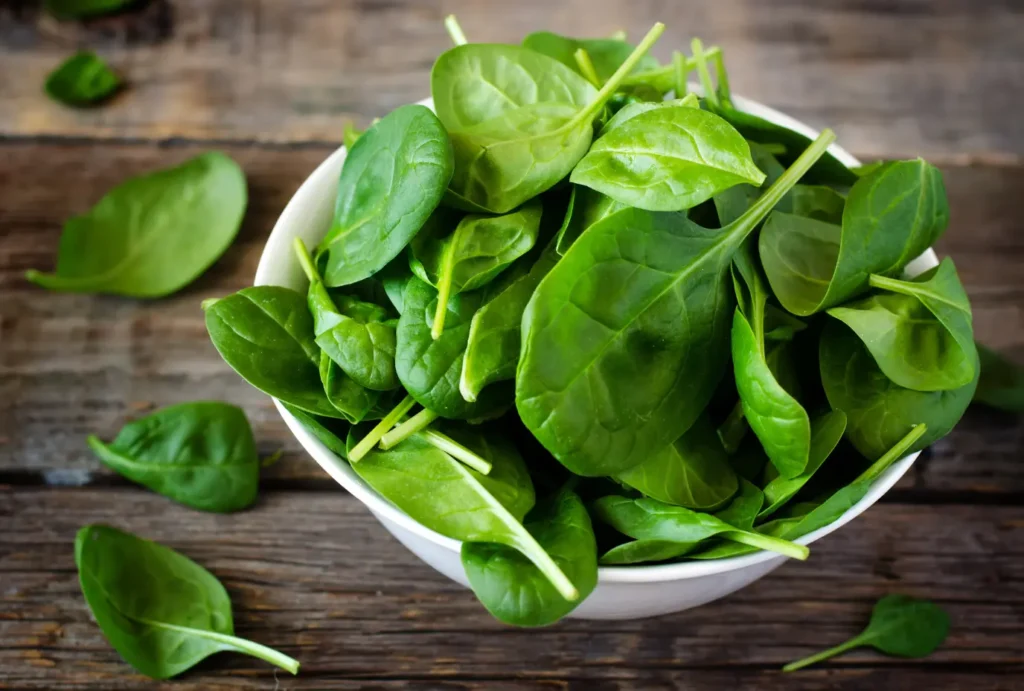
Spinach is full of antioxidants and essential nutrients, which assist the liver in detoxifying negative substances. It’s full of glutathione, a substance known to promote liver enzymes and destroy free radicals.
Spinach also has fiber, which aids digestion and prevents fat accumulation in the liver. You can have spinach raw in salads, mixed in smoothies, or lightly cooked with garlic and olive oil.
Tip: Mix spinach with lemon juice to enhance nutrient uptake, particularly iron.
2. Beetroot
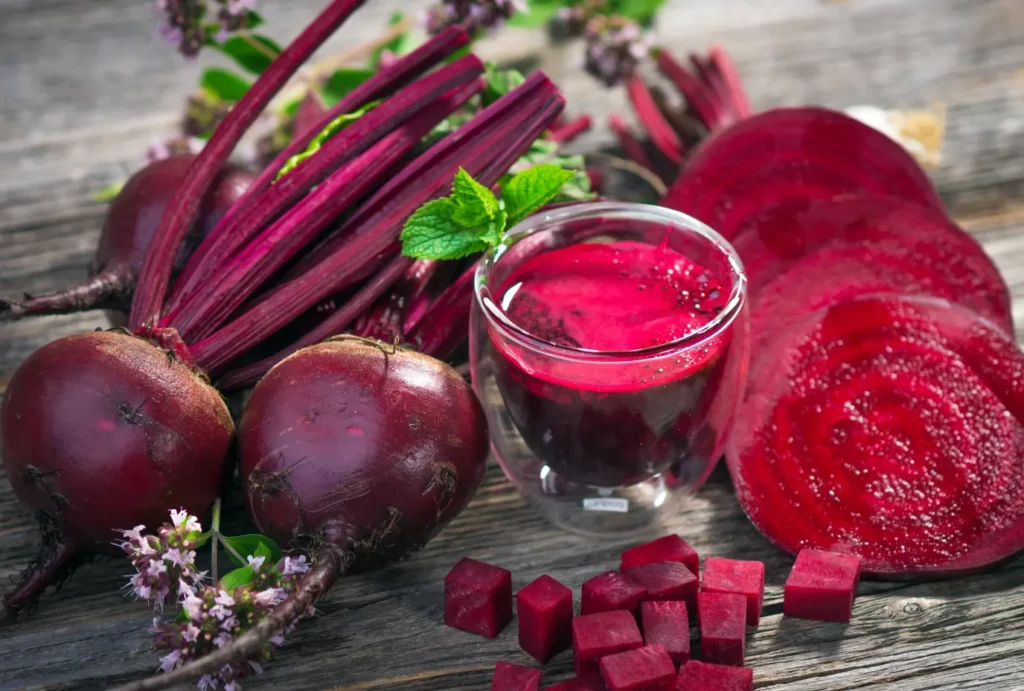
Beetroot is commonly known to be a natural blood cleanser, but it’s also great for your liver. It has betaines, which help in the regeneration of liver cells and detoxify your body. Beetroot also enhances bile flow, which makes it easier for your liver to break down fats.
Juiced, roasted, or tossed into salads, beetroot cleanses toxins from your system and keeps your liver in top working order.
Fast Recipe Idea: Prepare a beetroot and carrot salad with a squeeze of lemon and olive oil as a liver-friendly snack.
3. Broccoli
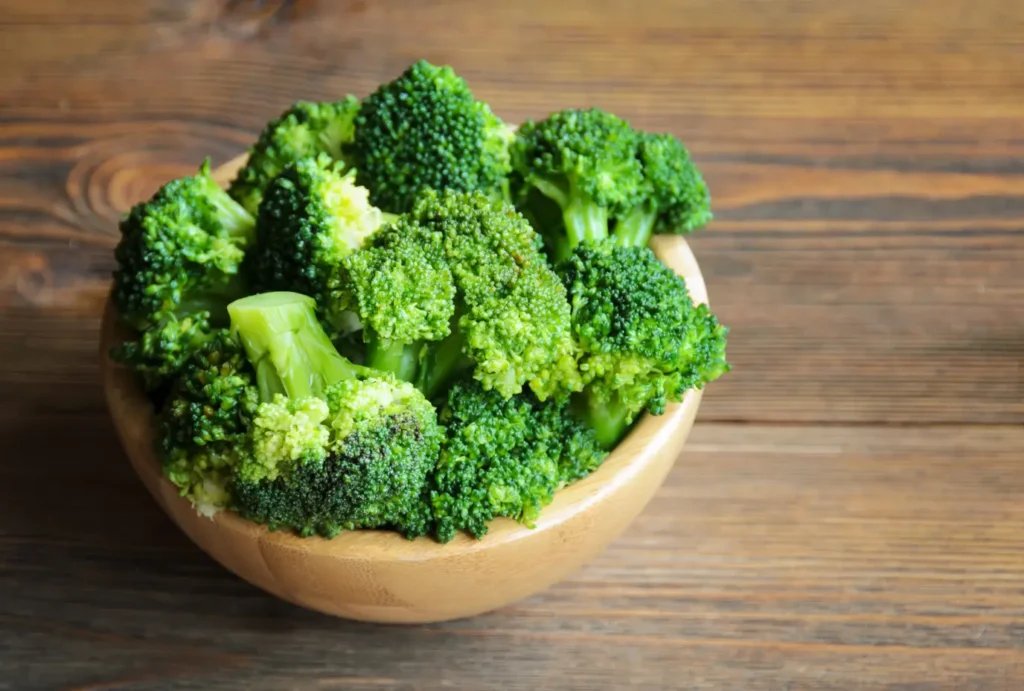
Cruciferous vegetables such as broccoli are renowned for their friendly-to-the-liver characteristics. Broccoli contains high levels of sulforaphane, a compound that boosts the activity of detoxification enzymes in the liver.
Daily intake of broccoli also helps to lower the risk of fatty liver disease, particularly when taken with a low-sugar, whole-food diet.
Steam it, sauté it, or mix it with soups—broccoli is versatile and potent as a liver health booster.
Did You Know? Research indicates that broccoli can help alleviate inflammation in the liver, particularly for individuals who have a high-fat diet.
4. Garlic
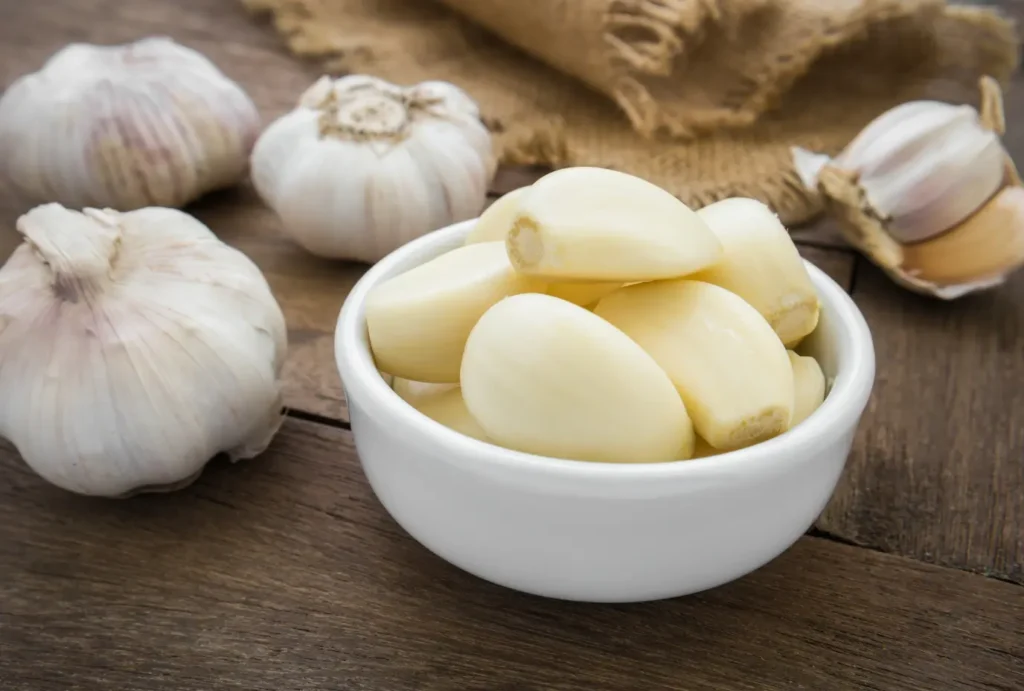
Garlic may be small, but it’s a heavy hitter when it comes to liver health. It’s full of allicin and selenium, two natural chemicals that can detoxify the liver and guard against damage.
Garlic also stimulates liver enzymes that can eliminate toxins. It’s anti-inflammatory and is good for the immune system, which has secondary benefits for the liver.
Best Use: Sprinkle minced garlic over salad dressings, soups, or stir-fries. Let it stand for 10 minutes after mincing to enhance its allicin level.
5. Carrots
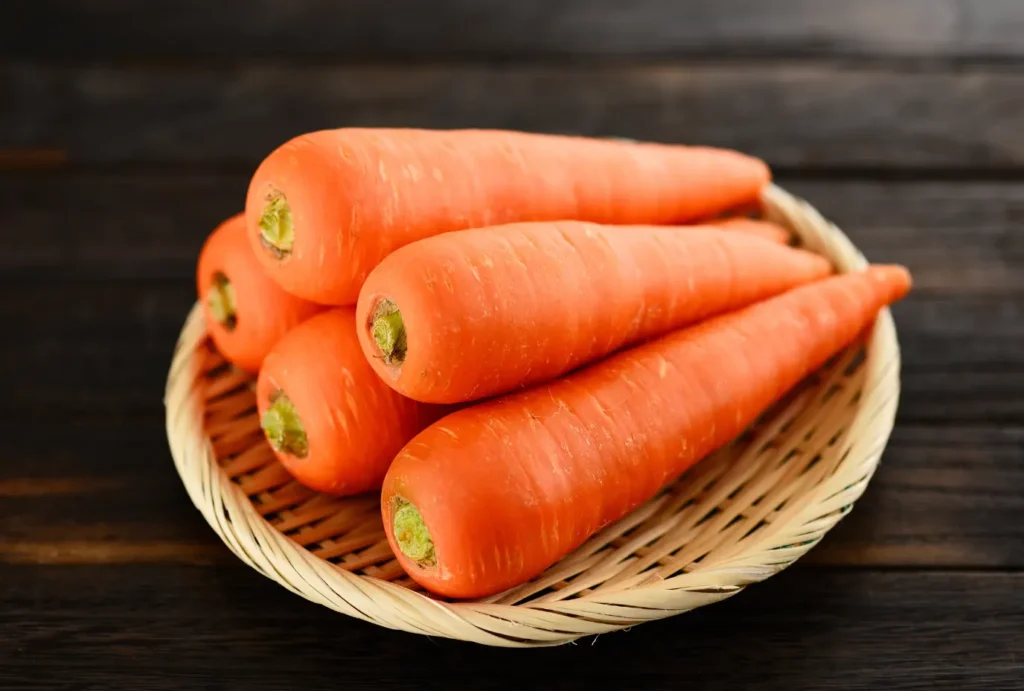
Carrots are high in beta-carotene, which is changed by the body into vitamin A. This antioxidant vitamin protects liver cells against damage and promotes fat metabolism, which inhibits fatty liver accumulation.
Carrots also decrease oxidative stress within the liver, particularly when eaten raw or lightly steamed.
Juice Hack: Fresh carrot and ginger juice in a glass isn’t just a breath of fresh air—it’s one of the best drinks to support your liver.
6. Cabbage
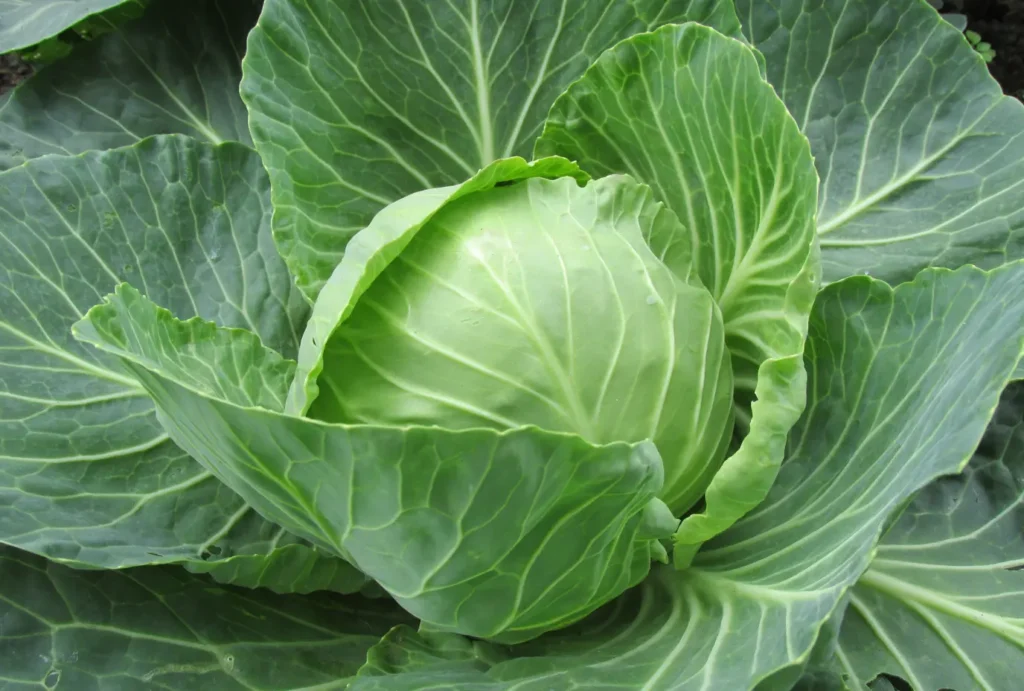
Similar to broccoli, cabbage is a cruciferous veggie that is packed with glucosinolates—substances that assist in detoxing the liver. It also encourages regular digestion, which lightens the liver load.
Cabbage enhances the liver’s normal enzyme function and its capacity to filter out toxins from the blood.
Steam it, sauté it, or ferment it into kimchi or sauerkraut for a probiotic advantage as well.
Bonus Tip: Red cabbage contains more antioxidants than green cabbage, so it’s an even smarter choice when it comes to liver support.
Final Thoughts: Fresh Vegetables, Good for the Liver
Your liver doesn’t require expensive detox teas or pricey supplements. Most often, all it really requires is a balanced diet full of natural, nutrient-dense vegetables.
Spinach, beetroot, broccoli, garlic, carrots, and cabbage are the fresh vegetables that not only produce wonderful flavors but also work quietly to detoxify, defend, and fortify your liver on a daily basis. Incorporating them in daily meals is one of the easiest and most efficient ways to invest in long-term health.
So next time you’re shopping for groceries, keep this in mind: when you feed your liver, you’re feeding your life.
FAQs About Fresh Vegetables for Liver Health
Q: Which vegetable is best for liver health?
Honestly, if we had to pick just one, it would be spinach! Spinach is absolutely loaded with glutathione and antioxidants that actively help your liver detoxify harmful substances. But truthfully, all six vegetables we covered — spinach, beetroot, broccoli, garlic, carrots, and cabbage — work amazingly well together. Think of them as a dream team for your liver rather than competing with each other!
Q: Can I eat these vegetables daily?
Absolutely yes! In fact, that is exactly what your liver wants. Including at least 2-3 of these fresh vegetables in your daily meals can make a huge difference over time. You don’t need to eat large quantities — even small, consistent portions every day are enough to support your liver naturally. The key is consistency, not quantity!
Q: How quickly do vegetables improve liver health?
This is a great question! You won’t see overnight results, but with consistent daily intake, most people start noticing improvements in digestion and energy levels within 3-4 weeks. For deeper liver repair and detoxification, give it at least 2-3 months of a clean, vegetable-rich diet. Patience is key here!
Q: Are raw vegetables better than cooked ones for the liver?
Both have their benefits! Raw vegetables retain more enzymes and vitamins, while lightly steamed or sautéed vegetables are easier to digest. For liver health, a mix of both raw and lightly cooked fresh vegetables works best. Just avoid deep frying — that completely cancels out the liver benefits!
About the Author
Raju Kumar is a health & wellness content writer who focuses on providing easy-to-understand health tips, diet information, and fitness guidance for everyday life. The content published on MyHealth24.in is based on research and general health knowledge, intended for educational purposes only.
Disclaimer
This article is for educational and informational purposes only. It is not intended as medical advice. Always consult a qualified healthcare professional before making any changes to your diet, exercise, or lifestyle.
One Response